
Carpal Tunnel Care in Austin, TX
Tingling, numbness or weakness in the thumb and fingers, often worse at night or when you grip. We find where the nerve is being irritated and build a plan to get you back to typing, lifting and training comfortably.
Understanding carpal tunnel
Carpal tunnel syndrome describes irritation of the median nerve as it passes through a narrow tunnel at the front of the wrist, alongside the tendons that bend your fingers. When that space gets crowded or inflamed, the nerve reacts with tingling, numbness and sometimes weakness in the thumb, index and middle fingers.
The same nerve runs from the neck, past the shoulder and down the forearm before it reaches the wrist. Tight forearm muscles or irritation in the neck can produce very similar symptoms, so we assess the whole path rather than assuming the wrist is the problem. How severe it is matters too: tingling that comes and goes is a different situation from constant numbness or weakness.
What usually drives it
Repetitive gripping and wrist bending. Long hours at a keyboard or mouse, heavy gripping in the gym, climbing and racket sports all load the tendons that share the tunnel with the nerve. When those tendons get irritated, there is less room for the nerve.
Tight forearm muscles. The muscles that grip and bend the wrist sit along the nerve's path. When they are overworked and tight, they can add pressure along the way and produce symptoms that feel like carpal tunnel.
The neck and upper body. The nerve roots that supply the hand start in the lower neck. Stiffness or irritation there, or tight tissue around the collarbone and chest, can send tingling into the same fingers.
Wrist position and other factors. Sleeping with the wrists curled, or working with them bent back for hours, keeps the tunnel at its narrowest. Fluid changes in pregnancy and some medical conditions can also make the space tighter.
Your plan of care
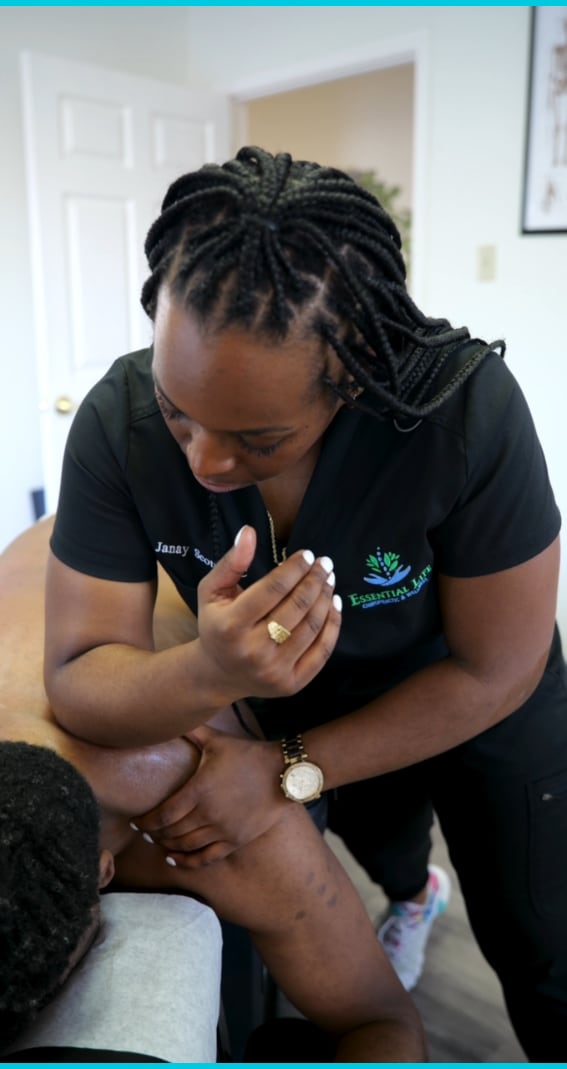
Care follows what the assessment finds. Instrument-assisted soft tissue work (IASTM, Graston-style) and myofascial release free up tight tissue in the forearm, wrist and palm, where the tendons and nerve need room to glide.
If the neck, upper back or the small joints of the wrist and elbow are stiff, gentle chiropractic adjustments and mobilization restore motion, with low-force techniques when the area is sensitive.
Rehab exercises are what make the progress last. Nerve and tendon gliding, forearm and grip strength, and practical changes to how you set up your desk, hold the bar or sleep, so you know how to keep symptoms from building again. Carpal tunnel that is severe or keeps getting worse may need a medical or surgical opinion, and we'll tell you plainly if that is where things are heading.
What we look for
We start with exactly where the symptoms are, when they come on, how long you've had them and what your work and training involve. Then an exam of the whole path of the nerve: neck and upper back movement, the shoulder and elbow, forearm tightness, wrist tests that reproduce symptoms, and strength, reflexes and sensation in both hands.
That tells us whether the nerve is being irritated at the wrist, further up the arm or at the neck, and how much it is affected. If you have constant numbness, weakness or wasting in the thumb muscles, we'll recommend a medical opinion, which may include nerve testing, before or alongside care. Otherwise treatment usually starts the same visit.
What you can do at home
Keep your wrists straight at night. Sleeping with your wrists curled is a common reason symptoms are worse in the morning. Try to keep them straight, and avoid sleeping with your hands tucked under your head or pillow.
Break up gripping and typing. Every 30 to 45 minutes, let go of the mouse, phone or bar. Open and close your hands a few times and gently move your wrists through their range.
Ease off heavy grip work for now. Heavy pulls, long climbing sessions and high-rep gripping can keep things irritated. A lighter load or a short break while the nerve settles is reasonable, and we'll tell you when to build back.
Signs that need a different first stop
- Constant numbness in the hand that doesn't come and go
- Wasting or visible weakness in the muscles at the base of the thumb
- Dropping things more and more, or losing fine control of the hand
- Hand symptoms that began after a wrist fracture, fall or other trauma
- Symptoms in both hands alongside neck pain, clumsiness or trouble with balance or walking
If any of these apply, see a medical doctor before booking with us. If symptoms are sudden or severe, go to the emergency room or call 911.
Carpal Tunnel FAQs
For mild to moderate symptoms with a mechanical cause, such as tight forearm tissue, repetitive strain or stiffness in the neck and wrist, soft-tissue work, adjustments and rehab exercises are a common, conservative approach. Severe or worsening cases may need a medical or surgical opinion, and we'll refer you if that is the right next step.
No. Irritation in the neck or tight muscles in the forearm can cause similar tingling, and so can some medical conditions. That is why the first visit checks the whole path of the nerve, not just the wrist.
Usually not completely. Most people can keep working and training with some changes to grip, load and wrist position. We'll help you work out what to modify and how to build back up as symptoms settle.
Related conditions
Ready to feel like yourself again?
Trust us with your wellness and recovery needs. Book your visit today and let's build a personalized plan around you.