
Dry Needling in Austin, TX
Thin needles into trigger points and tight muscle bands to release tension and pain.
Understanding dry needling
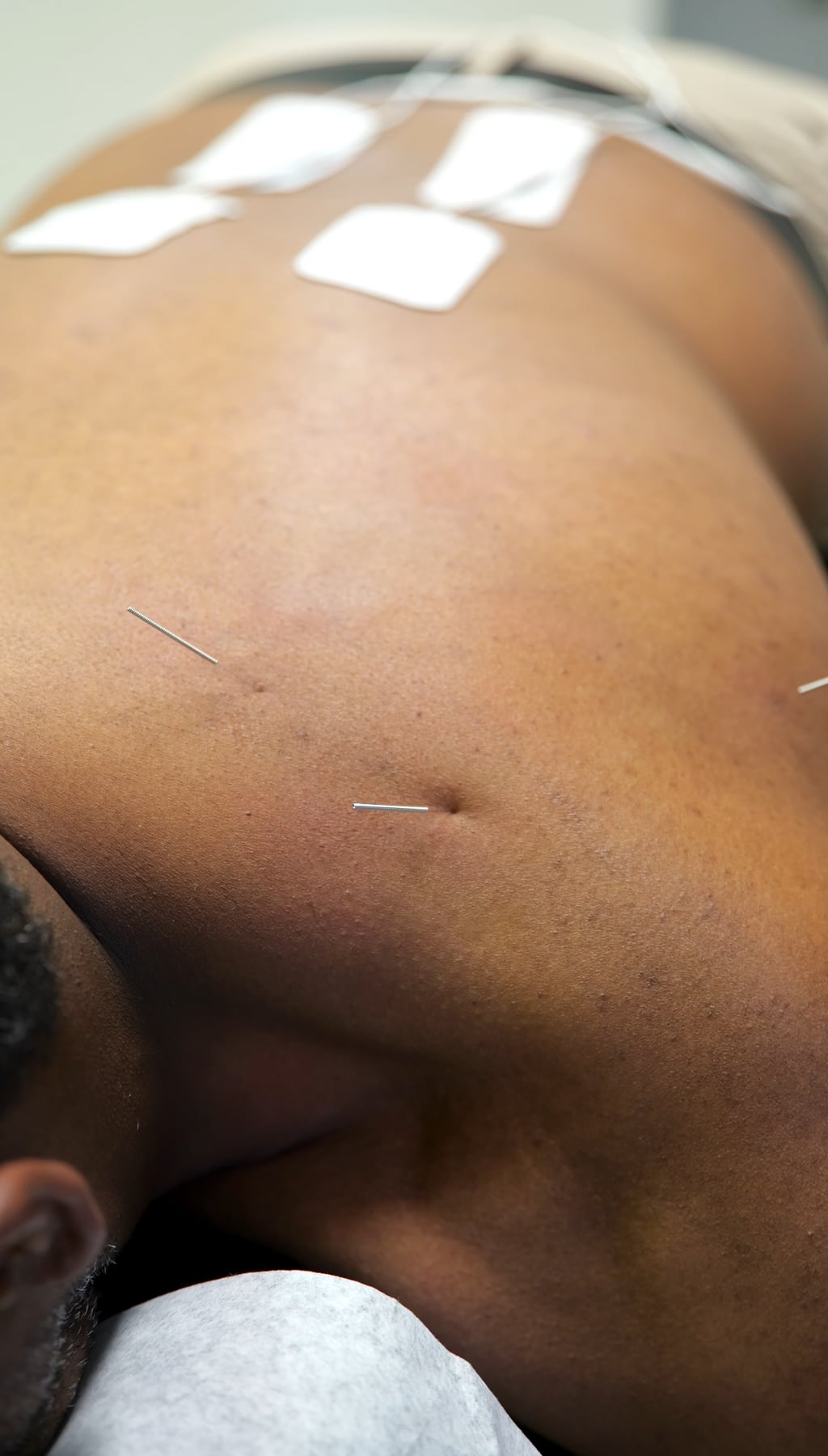
Dry needling is a treatment developed in the 1980s in which thin needles are inserted into trigger points or tight, tender bands of muscle located within larger muscles. The stimulus prompts the muscle to release, easing tension and pain and restoring normal function.
Your visit, step by step
Dr. Janay Scott locates the trigger point or tight band, then inserts a thin needle to prompt the muscle to release. You may feel a brief twitch or ache as the muscle responds. Sessions are quick and fold into your broader care plan alongside adjustments and rehab.
What actually happens
We locate the trigger point. Hands first. We find the specific tight band and confirm it reproduces the pain you have been describing before anything else happens.
We explain, then you decide. Needles put people off, reasonably. You get told exactly what will happen and roughly how it will feel, and we only proceed once you are comfortable.
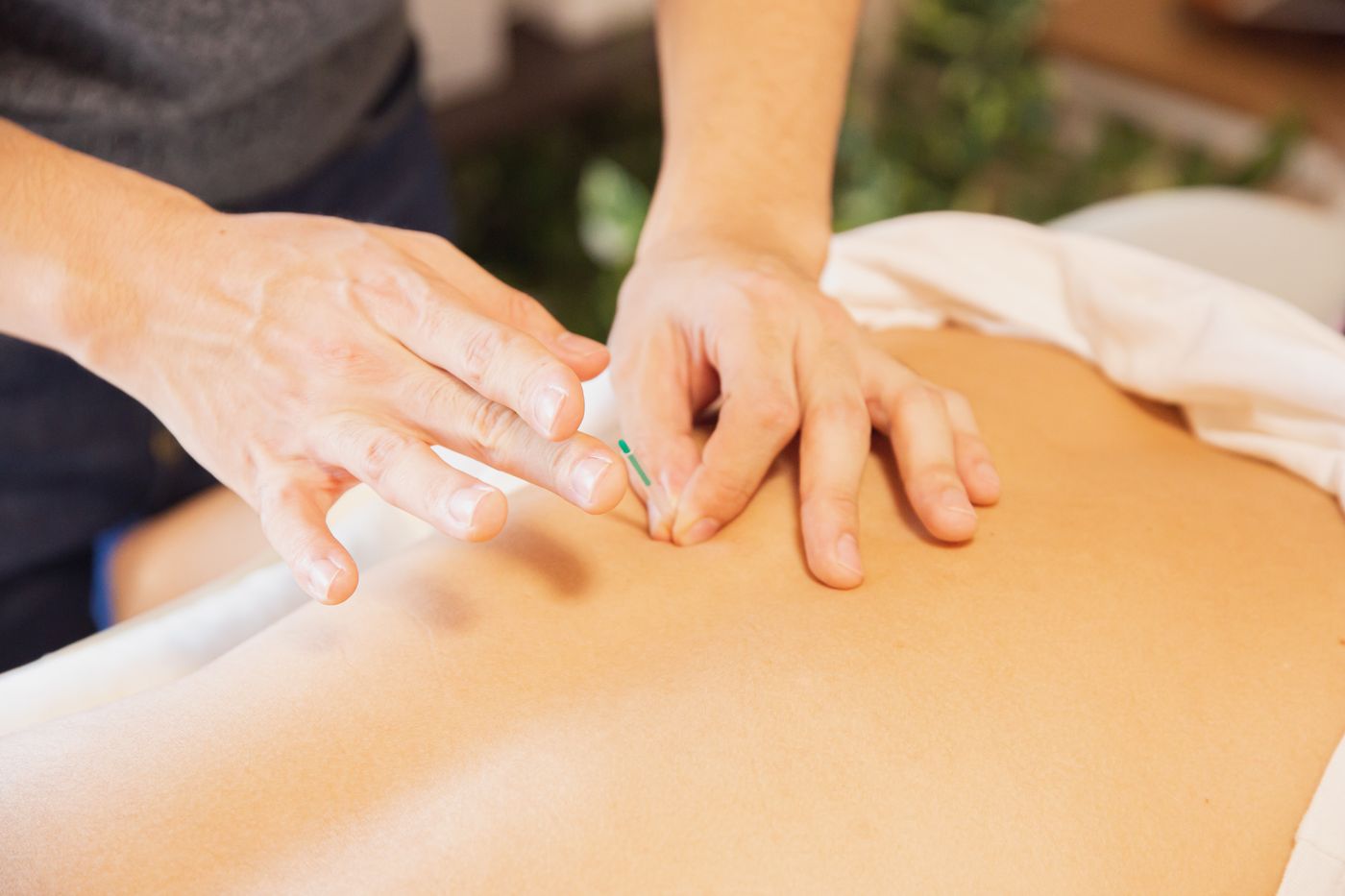
The needle goes in. A thin filament needle into the band. Most people feel a small prick at the skin and then a deep ache or a brief twitch as the muscle responds. It passes in seconds.
We move the area. Needles come out and we get the muscle working through its range while it is freshly released, which is what makes the change hold.
What the twitch actually is
A trigger point is a small patch of muscle stuck in contraction. It cannot let go on its own, it is tender to press, and it refers pain to somewhere predictable but often surprising.
The needle interrupts that. When it reaches the band you may feel a brief involuntary twitch, which is the muscle discharging and releasing. It is the response we are after, and it lasts a fraction of a second.
No medication is involved, which is where the name comes from. The needle itself is the whole treatment, and it is far thinner than anything used for injections or blood draws.
Similar needles, different reasoning
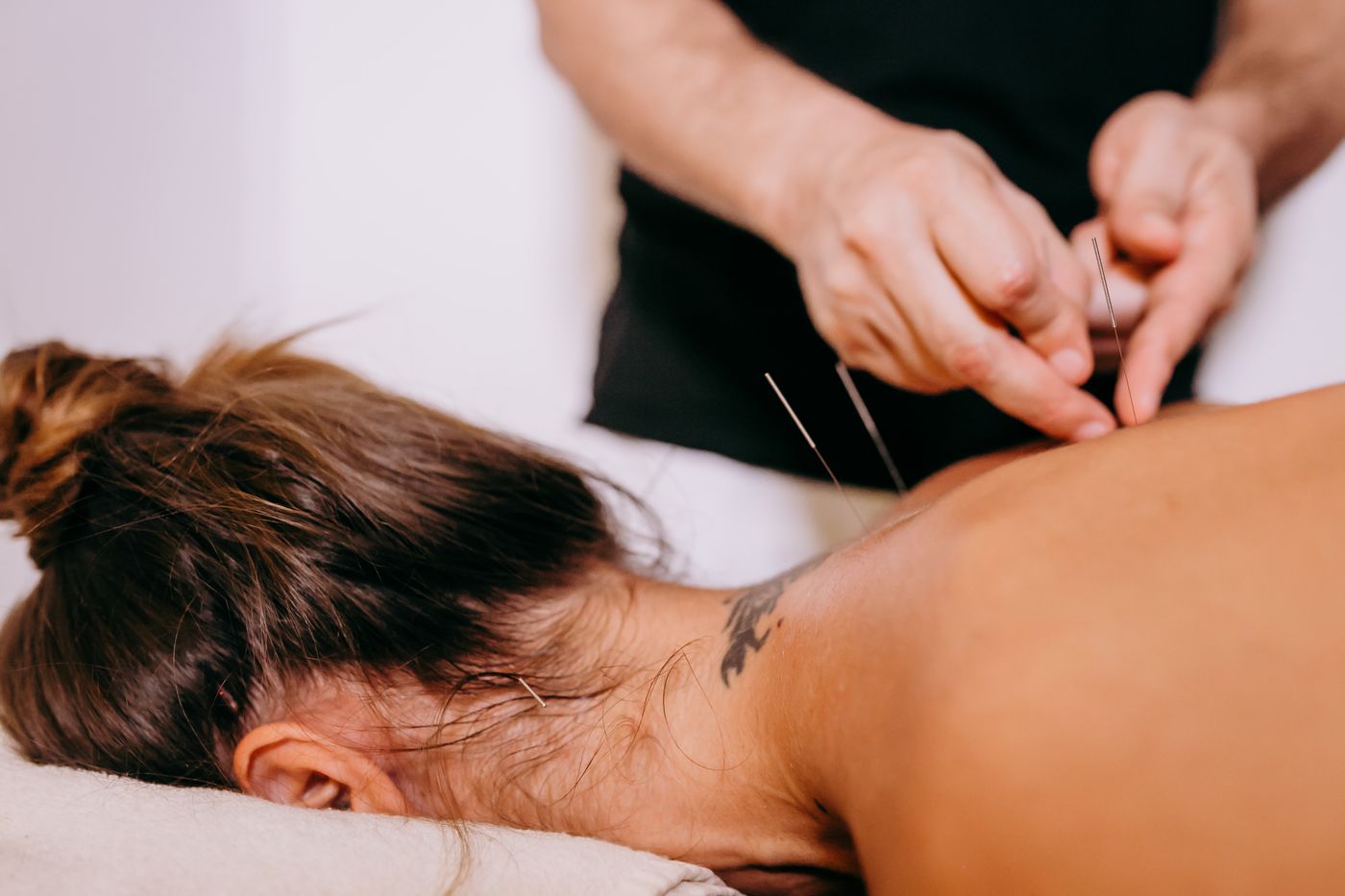
The needles are near enough identical. Everything about why they go where they go is different.
Acupuncture places needles according to a traditional system of points and meridians developed over centuries. Dry needling places them in a specific muscle that a physical examination has identified as the source of your symptoms.
Neither claim is a criticism of the other. They are simply different frameworks, and it is worth knowing which one you are getting.
The next twenty-four hours
Expect the treated muscle to feel like it has had a workout. A dull ache for up to a day is the most common experience, and it usually gives way to noticeably better movement.
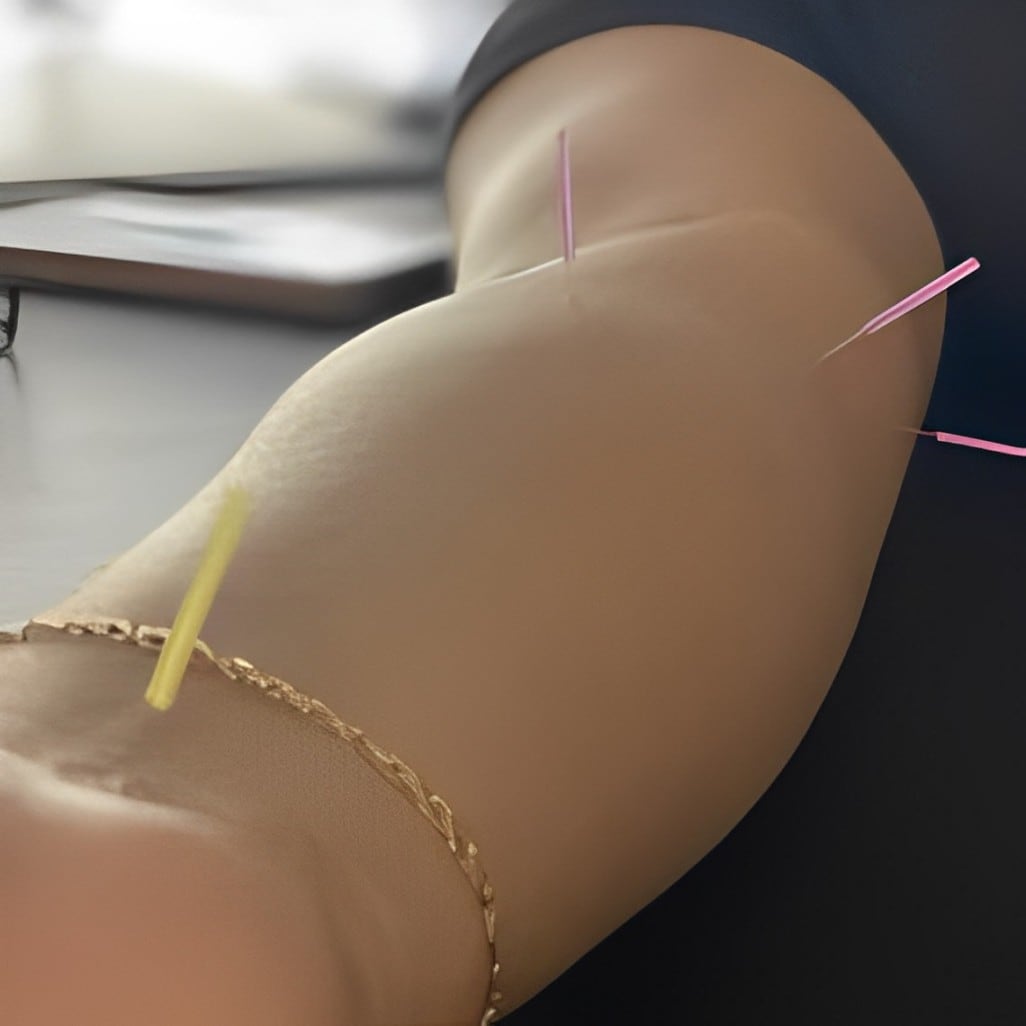
Small spots of bruising happen occasionally and are harmless. Keep the area moving gently, stay hydrated, and skip heavy training that day.
Most people need a handful of sessions rather than one. If two or three have produced nothing, the trigger point is probably not what is driving your pain, and we will change approach rather than keep needling.

Who this is not for
Single-use sterile needles, disposed of immediately. The common side effects are post-treatment ache and occasional minor bruising.
It is not appropriate over active infections or areas with compromised sensation, and it needs care with blood thinners, bleeding disorders, or a compromised immune system. Needle phobia is a perfectly good reason to choose something else, and there is always an alternative.
Tell us if you are pregnant. Some points are avoided, and we adjust accordingly.
How the needling is applied
Depth, duration, and whether we move the needle all change depending on the muscle and how reactive it is.
In and out. The needle enters, elicits a twitch, and comes straight out. Quick, and often all a reactive trigger point needs.
Retained needling. The needle stays in place for several minutes. Better for chronically tight tissue that does not respond to a brief stimulus.
Superficial needling. Shallow placement over sensitive areas or for people who find deeper work uncomfortable. Gentler, and still useful.
With movement. You contract or move the muscle while the needle is in place. Useful for restrictions tied to a specific action.
Dry Needling FAQs
Most people feel only a small prick when the needle goes in. When it reaches a trigger point you may feel a brief twitch or a deep ache, which is the muscle releasing. It passes quickly and is usually followed by relief.
They use similar thin needles but come from different traditions. Dry needling targets specific trigger points and tight muscle bands to release tension and pain, based on modern musculoskeletal assessment.
It's used for stubborn trigger points, tight muscle bands, and the referred pain they cause, often when other soft-tissue approaches haven't fully released the tension.
Other ways we can help
Ready to feel like yourself again?
Trust us with your wellness and recovery needs. Book your visit today and let's build a personalized plan around you.