
Prenatal Chiropractic in Austin, TX
Gentle, Webster-technique care that eases pregnancy discomfort and supports optimal positioning.

Understanding prenatal chiropractic
Prenatal chiropractic is gentle, pregnancy-specific care that helps your body adapt to the changes of each trimester. Dr. Janay Scott uses the Webster technique, a specific chiropractic method focused on balancing the pelvis, which may help create room for your baby to get into the proper position to grow, develop, and be ready for birth.
Your visit, step by step
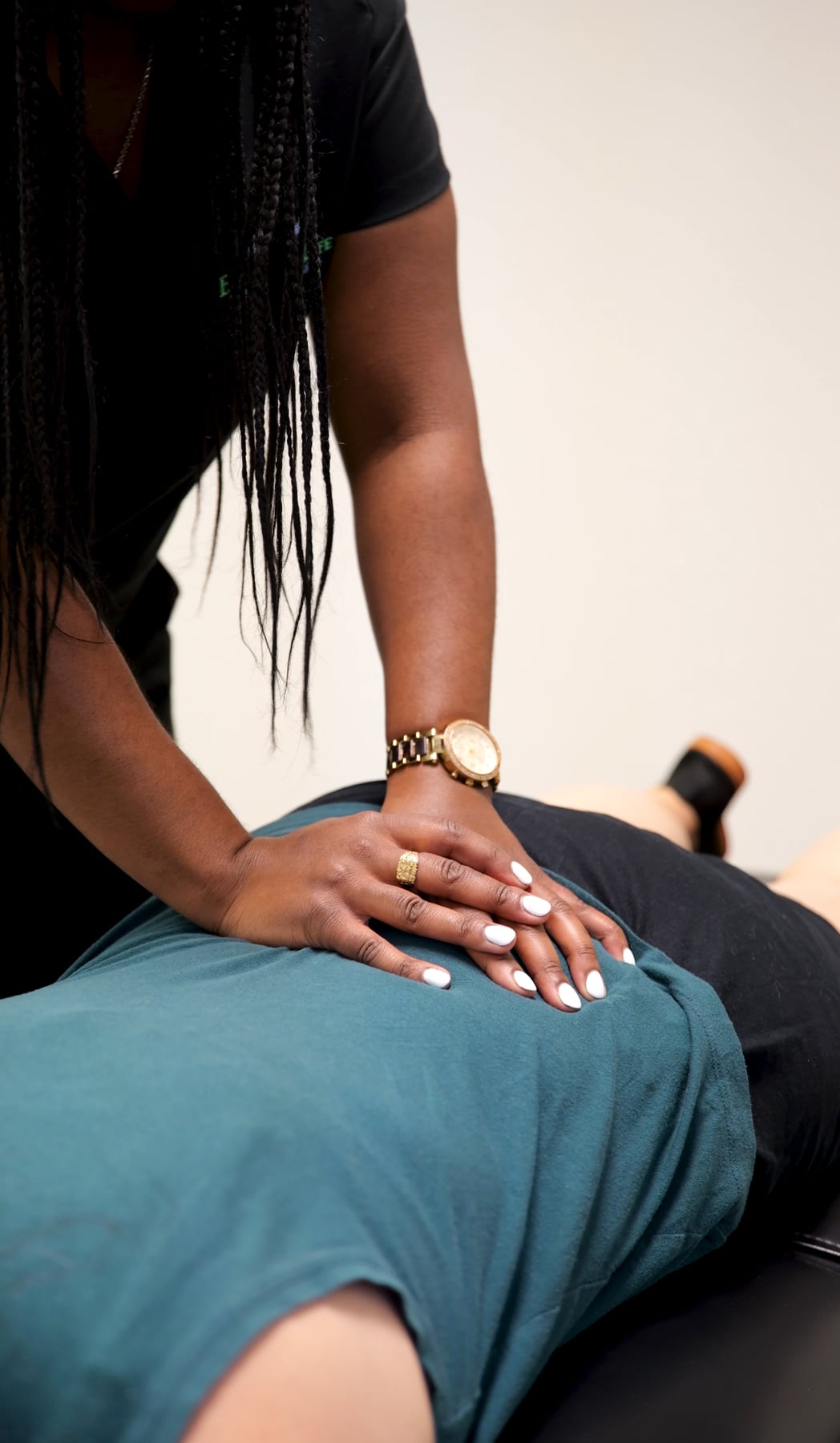
Care is gentle and tailored to your stage of pregnancy, with comfortable positioning and adjustments made for your changing body. Dr. Janay Scott focuses on balancing the pelvis and easing the tension that builds through pregnancy, so you can move and rest more comfortably.
What actually happens
We talk through your pregnancy. How far along, how it has gone so far, who is looking after you, and anything your OB or midwife has flagged. This shapes everything that follows.
We get you comfortable. Pregnancy pillows and adjustable tables mean you are never face-down on a bump or flat on your back longer than is comfortable. Tell us the moment a position stops working.
Gentle, specific adjustment. Low-force technique aimed at pelvic balance rather than anything dramatic. Most people describe it as far less forceful than they expected.
Something to do at home. One or two positions or stretches for the discomfort that shows up between visits, usually at night or after sitting.

Why pregnancy puts your back under load
Three things happen at once. Your center of gravity moves forward, which changes the curve of your lower back. Relaxin softens ligaments everywhere, not just where it is needed. And the weight you are carrying climbs steadily for months.
The result is a lower back and pelvis working harder with less passive support than they are used to. Low-back ache, hip pain, and pelvic discomfort are the predictable consequences, not a sign anything has gone wrong.
Care is aimed at keeping the pelvis balanced and easing the tension that builds around it, so the adaptation is less uncomfortable.
What it is, and what it is not
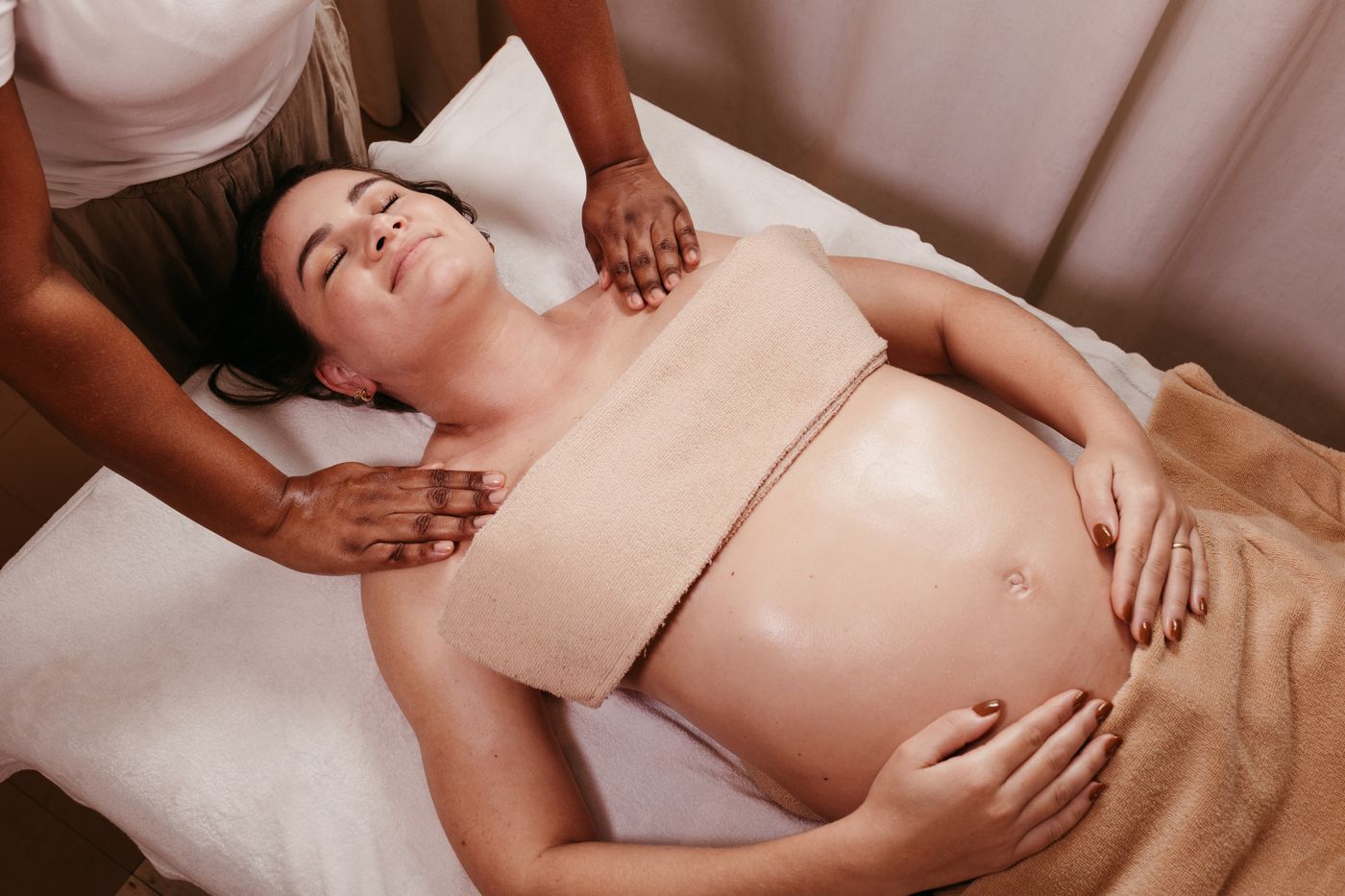
Webster is a specific, gentle analysis and adjustment focused on balancing the pelvis and reducing tension in the surrounding ligaments. It is the technique most associated with prenatal chiropractic.
It is worth being precise about the claims. Webster is a pelvic technique. Practitioners often report that a balanced pelvis leaves more room for a baby to settle into a good position, but it is not a procedure performed on the baby and it is not a guarantee of anything.
What it reliably does is make an uncomfortable pelvis more comfortable, which is reason enough for most people who come in.
What helps at home
Side-lying with a pillow between the knees keeps the top leg from dragging the pelvis into rotation overnight, which is behind a lot of morning hip pain.
Change position often during the day. Long stretches sitting or standing are harder on a pregnant back than almost anything else, and breaking them up costs nothing.
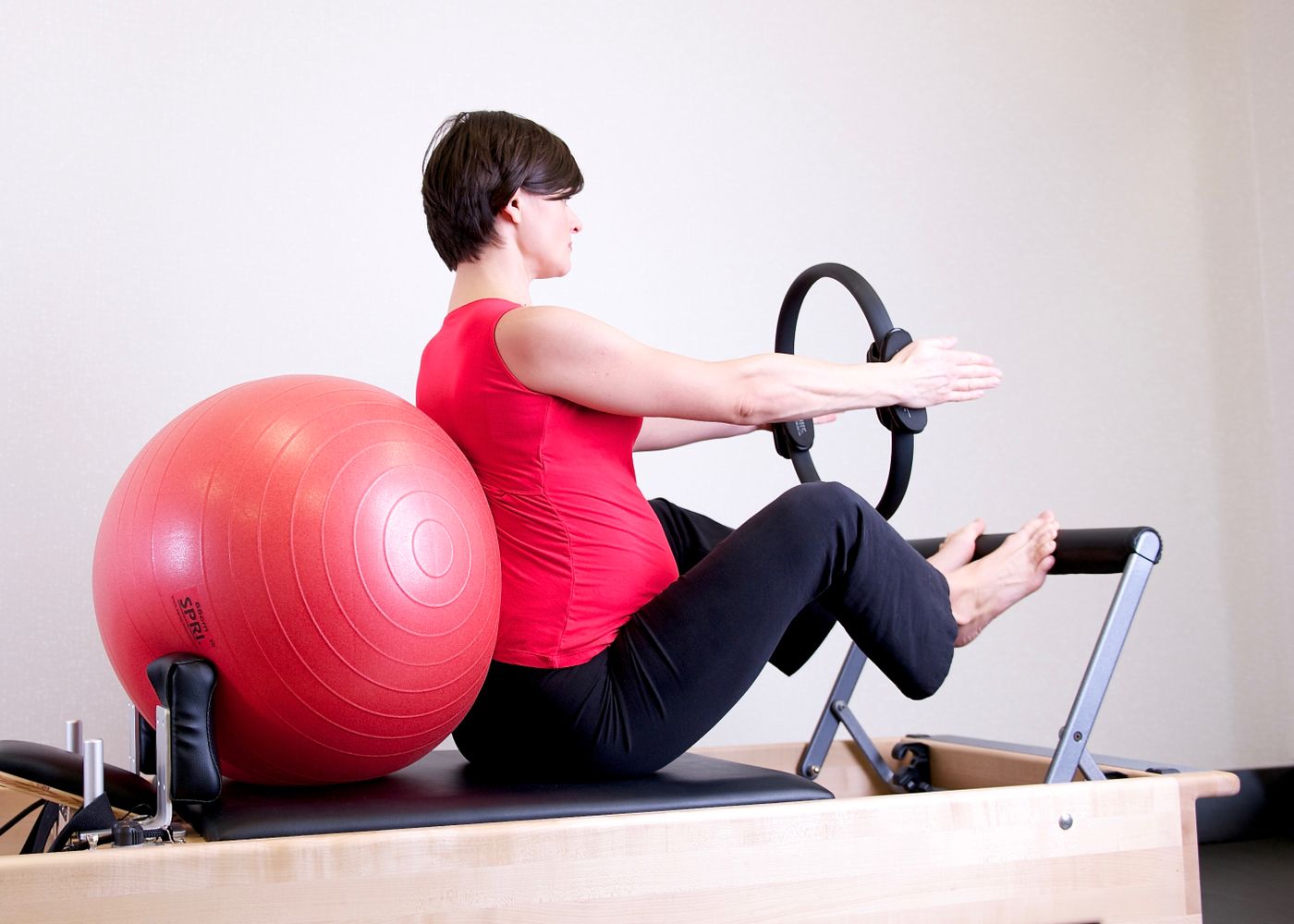
Gentle movement, walking or swimming or a class built for pregnancy, does more for day-to-day comfort than rest does. We will suggest specifics based on where you are and what you already enjoy.
Screening, and when we coordinate
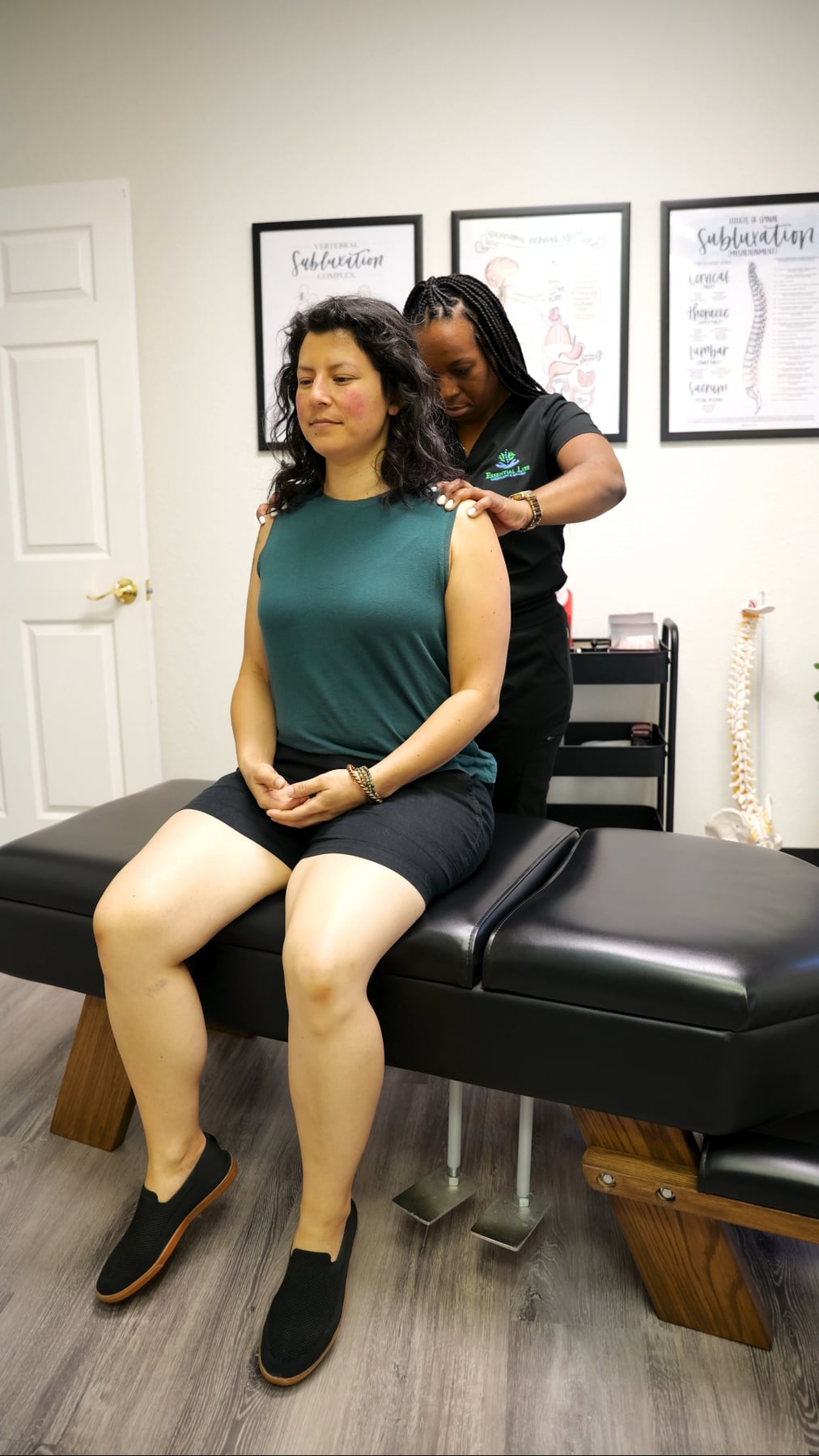
For most pregnancies this is appropriate care. Technique is gentler, positioning is supported, and nothing about it should feel forceful.
Some presentations change the plan or rule it out: placenta previa, pre-eclampsia, vaginal bleeding, ongoing cramping, or a pregnancy already being closely managed for a specific complication. That is what the first-visit screening is for.
Where it makes sense we coordinate with your OB or midwife rather than working in isolation. If anything we find belongs with them, it goes to them the same day.
How care changes by trimester
The same person needs different handling at twelve weeks and at thirty-six. This is roughly how it shifts.
First trimester. Close to standard care with minor positioning changes. Most people are still comfortable in most positions at this stage.
Second trimester. Side-lying becomes the default and force comes down as ligaments soften. Pelvic work usually becomes the main focus here.
Third trimester. Fully supported positioning, lightest technique, and attention to the low back, hips, and pelvis, where nearly all the discomfort concentrates.
After birth. A different set of demands: feeding posture, carrying, and a pelvis returning to its pre-pregnancy state. Worth a visit once you are ready.
Prenatal Chiropractic FAQs
The Webster technique is a specific, gentle chiropractic method focused on balancing the pelvis and reducing tension in the surrounding muscles and ligaments. By restoring pelvic balance, it may help create room for your baby to get into the proper position for birth.
For most pregnancies, yes. Dr. Janay Scott uses gentle, pregnancy-specific techniques and comfortable positioning tailored to your trimester. We screen carefully and coordinate with your OB or midwife when appropriate.
You can begin at any point in your pregnancy. Many moms start early to stay comfortable as their body changes, while others come in later to address specific hip, back, or pelvic discomfort.
Other ways we can help

Ready to feel like yourself again?
Trust us with your wellness and recovery needs. Book your visit today and let's build a personalized plan around you.