
Instrument Assisted Soft Tissue Therapy in Austin, TX
Graston-style tools that break up scar tissue, reduce tension, and improve muscle function.
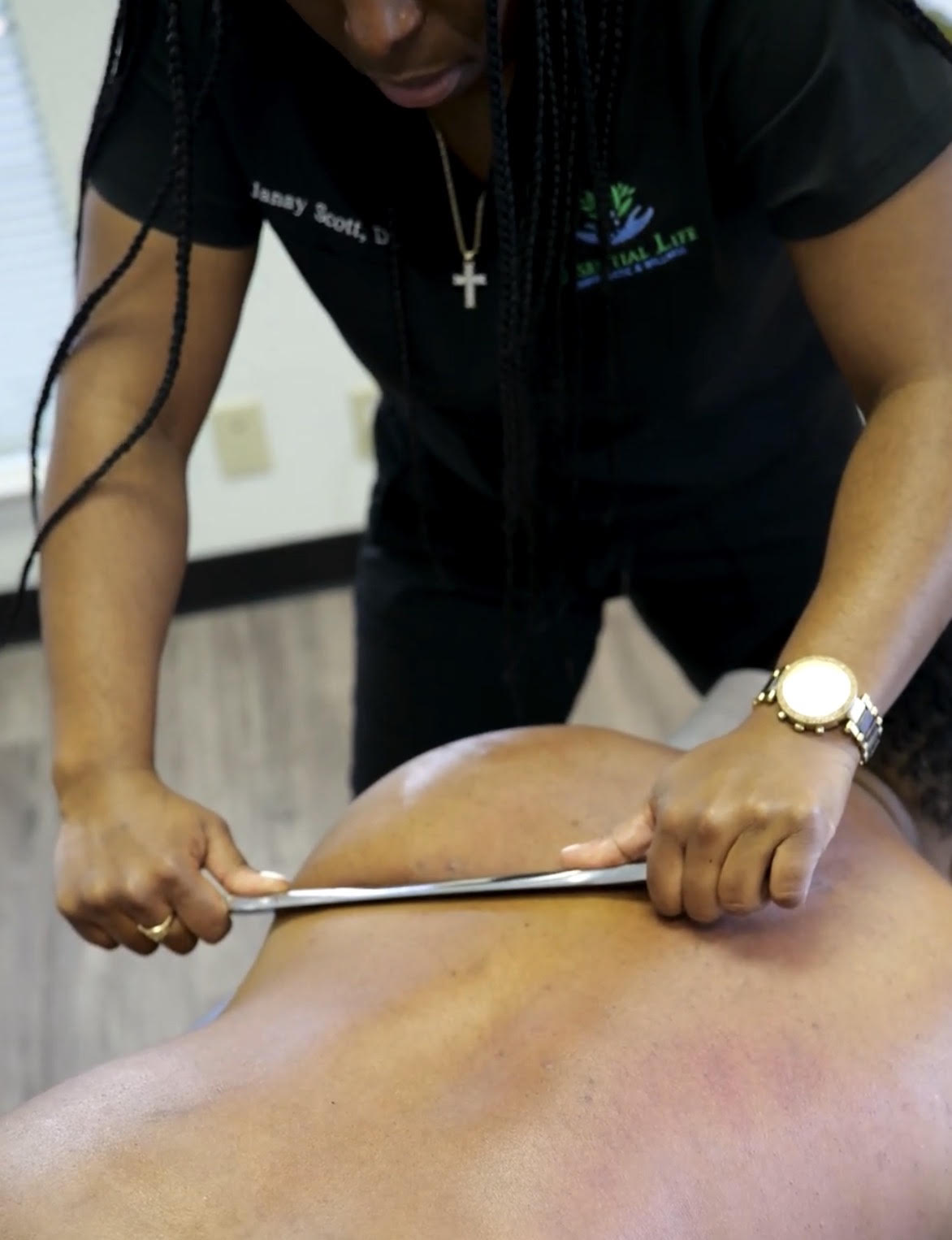
Understanding instrument assisted soft tissue
Instrument Assisted Soft Tissue Mobilization (IASTM) uses specialized Graston instruments to glide over muscle and fascia with controlled pressure. It targets restricted, scarred, or adhered tissue that's hard to reach by hand, breaking up adhesions and restoring healthy movement.
Your visit, step by step
Using Graston instruments, your therapist applies pressure along the grain of the tissue to find and free up restrictions. It may feel scratchy over a tight area but shouldn't be painful, and it folds neatly into the rest of your session alongside adjustments and corrective exercise.
What actually happens
We map the restriction. The tool finds texture your fingers can miss. Gliding over an area, the change in feel tells us where the tissue is genuinely stuck.
Skin gets prepped. A little emollient so the instrument glides rather than drags. Without it the technique is uncomfortable and far less effective.
We work along the grain. Controlled strokes following the direction of the muscle and fascia. It feels scratchy over a restricted spot and unremarkable over healthy tissue.
Then we load it. Freeing tissue without giving it a reason to stay free wastes the session. Stretch or strength work follows immediately, usually the same visit.
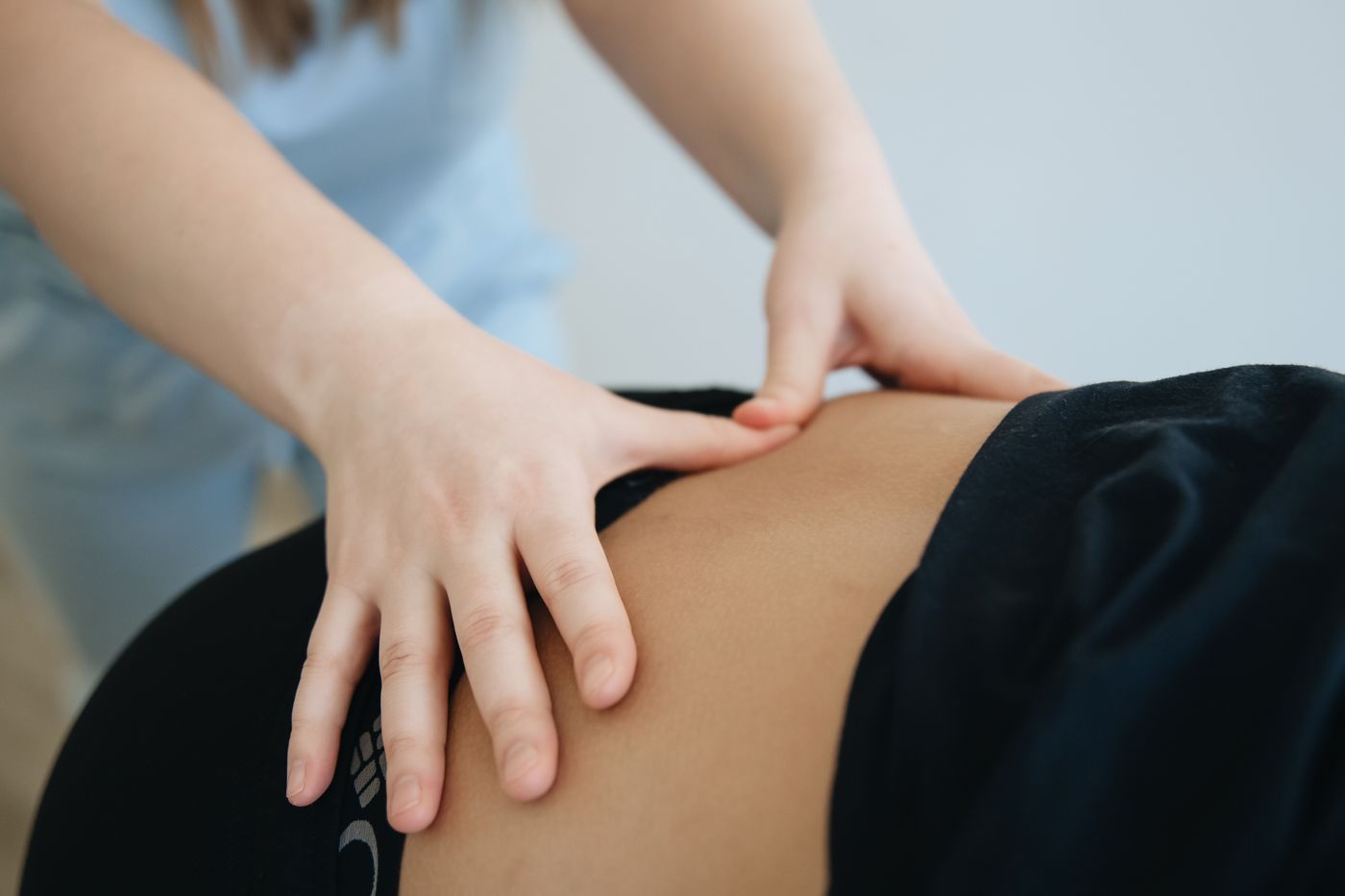
What a tool does that hands cannot
Fingers are excellent at feeling broad texture and hopeless at picking up fine-grained change deep in tissue. A rigid instrument transmits that texture straight to your practitioner's hand, so a restriction you cannot palpate becomes obvious.
It also concentrates force. The same pressure through a narrow edge reaches a specific band of tissue in a way a thumb spread across the same area cannot, which matters for scar tissue and old adhesions.
The trade-off is that it is less comfortable over a genuinely restricted area. That scratchy feeling is the point, and it disappears as the tissue changes.
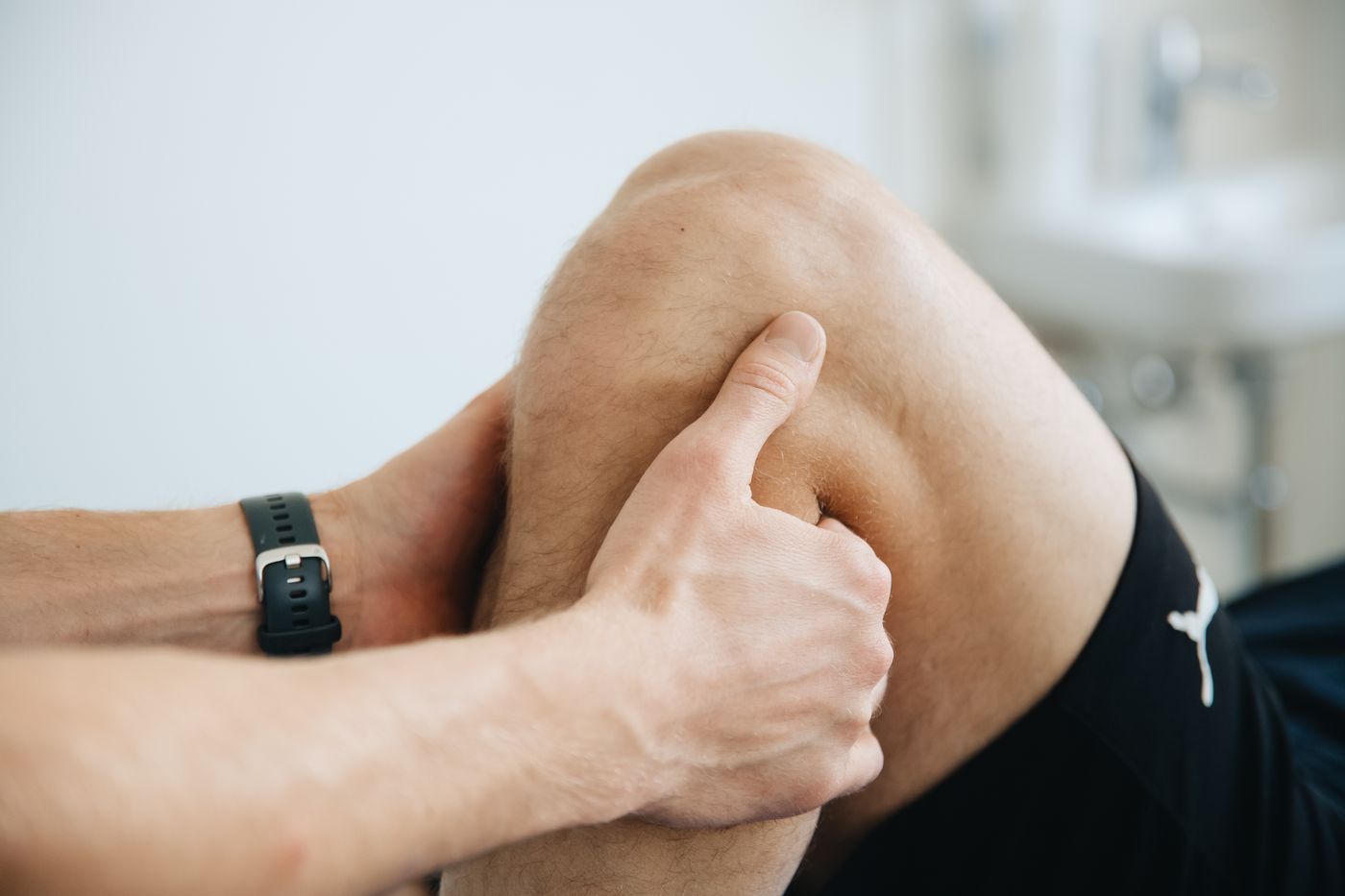
Why old injuries stay stiff
Tissue heals with collagen laid down in whatever direction it happens to form, rather than aligned the way the original fibres were. Strong enough, but it does not glide, and it does not stretch like what it replaced.
That is why an ankle sprain from years ago still feels tight, or a surgical scar pulls when you reach. The injury healed; the mechanics did not.
The instrument work is aimed at that specific problem: introducing enough controlled stress to prompt the tissue to remodel in a more useful direction, then loading it so the change sticks.
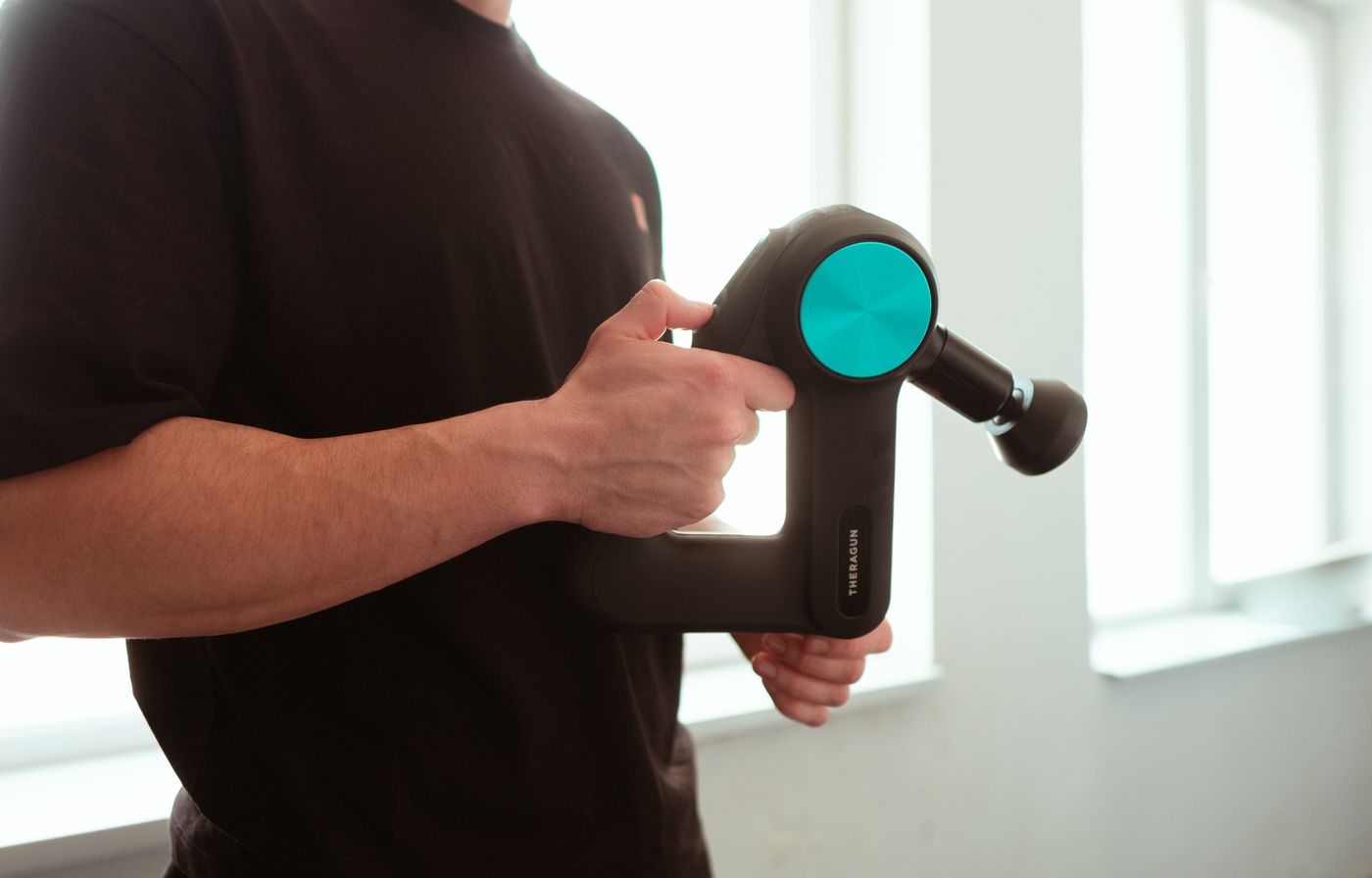
Redness, and what to do with it
Mild redness over the area is normal and expected. It is increased blood flow, it appears within minutes, and it usually fades the same day. Occasionally there is light bruising over a stubborn spot.
Do the exercises we give you. Instrument work opens a window where tissue is more receptive to change, and loading it during that window is what converts a temporary improvement into a lasting one.
Heavy training the same day is worth skipping. Light movement is not just fine but actively helpful.

Who this is not for
Low-risk for most people, with redness and occasional light bruising the usual side effects.
We avoid it over broken skin, active infections, recent unhealed injuries, and areas affected by certain circulatory, bone-density, or clotting conditions. Blood thinners mean a much lighter application, so tell us.
If your problem is not a soft-tissue restriction, this will not help, and we will tell you that rather than book more sessions.
How the instrument gets used
The tool is one thing; how it is applied is what changes. These are the four patterns you are most likely to feel.
Scanning. Light passes across a wide area to locate restrictions. Assessment rather than treatment, and it usually takes under a minute.
Sweeping. Broad strokes along the muscle to raise circulation and warm the area before anything more specific.
Strumming. Short strokes across the grain of a specific band. This is the one that feels scratchy, and it is where most of the change happens.
With movement. You move the joint while the tool holds tension on the tissue. Effective on restrictions that only appear through part of the range.
Heated scraping. The same work with the tool warmed first, offered on request. Heat softens the tissue before we get to it, which some people find makes a stubborn area far easier to tolerate.
Instrument Assisted Soft Tissue FAQs
IASTM, or Instrument Assisted Soft Tissue Mobilization, often called Graston-style work, uses smooth, specialized tools to glide over muscle and fascia. It helps break up scar tissue and restrictions, improve blood flow, and restore movement in tight or scarred areas.
It can feel scratchy or slightly tender over a restricted area, but it shouldn't be painful. Mild redness afterward is normal and reflects increased blood flow to the tissue.
It's commonly used for scar tissue from old injuries, tendon irritation, chronic tightness, and the restrictions that limit range of motion, usually alongside adjustments and rehab exercises.
Other ways we can help
Ready to feel like yourself again?
Trust us with your wellness and recovery needs. Book your visit today and let's build a personalized plan around you.