
Back Pain Care in Austin, TX
Stiffness or pain in the low or mid back that gets in the way of training, work or everyday life. We find where it is actually coming from and build a plan to get you moving, lifting and recovering comfortably again.
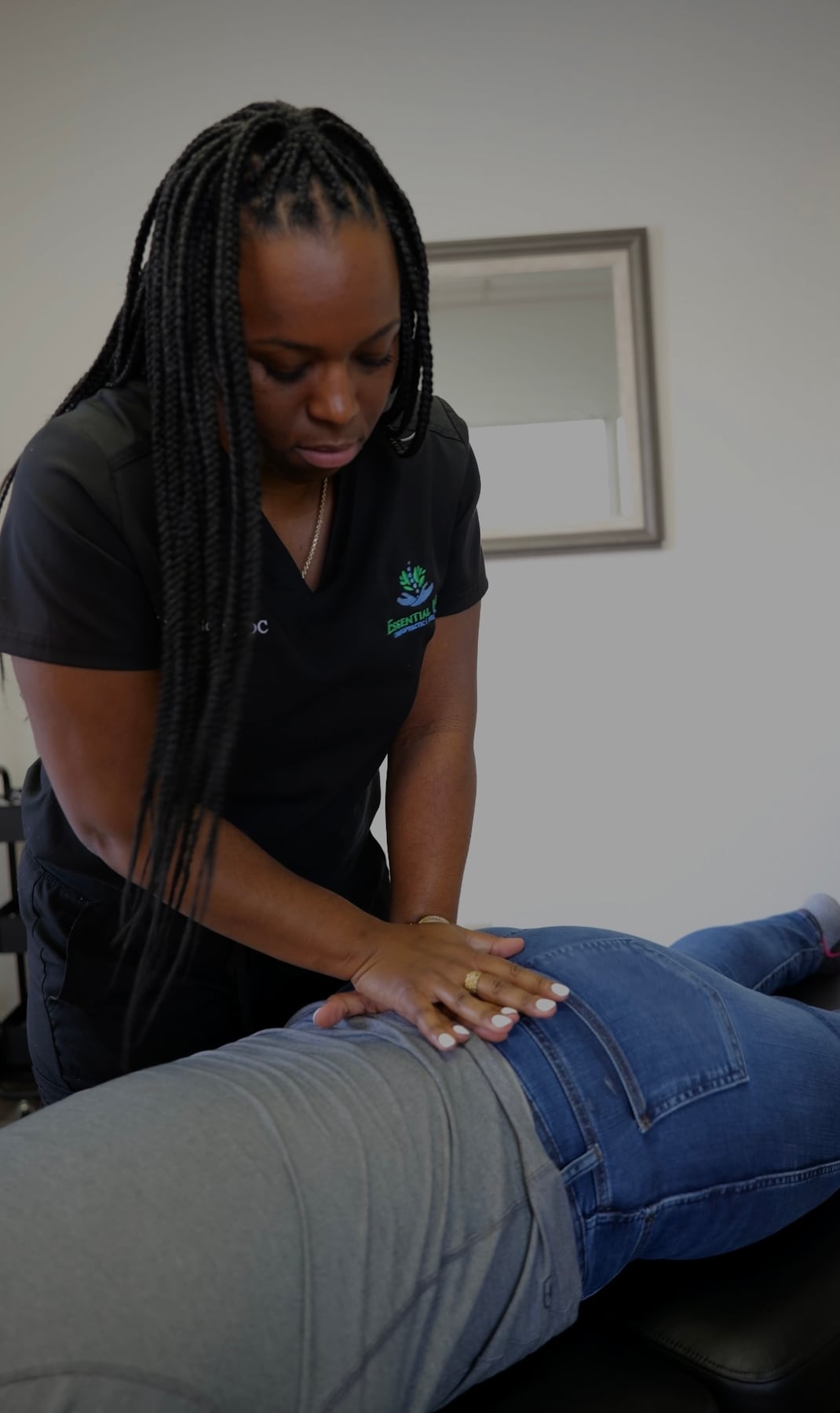
Understanding back pain
Back pain is one of the most common reasons people come in, and one of the least specific. The place that hurts is often not where the problem starts. A stiff mid-back, a hip that has stopped rotating or a weak core can all show up as an aching low back.
For most athletes and active people the cause is mechanical: joints that have stopped moving well, muscles working overtime to protect them, or more load than the back is ready for. Pregnancy adds its own version, as posture and ligaments change month by month. Each of those calls for a different plan, which is why the assessment comes first.
What usually drives it
Stiff spinal and pelvic joints. When a joint in the low back or pelvis stops moving through its normal range, the joints and muscles around it pick up the slack and get sore. This is one of the most common drivers of back pain in active people.
Muscle strain and tension. A heavy lift, a sudden twist or a big jump in training volume can strain the muscles along the spine. Tight hips and glutes add to the load the back has to carry.
Pregnancy. A forward-shifting center of gravity, softer ligaments and steady weight gain all put the low back and pelvis under more load, especially later in pregnancy.
Load and posture over time. Long hours at a desk or in the car, repetitive movements in sport and too little recovery add up gradually, often well before the pain shows up.
Your plan of care
Care follows what the assessment finds. Where stiff joints in the spine or pelvis are part of the picture, chiropractic adjustments restore motion, using Diversified, drop-table or mobilization techniques depending on how irritable the area is and what you are comfortable with.
Tight muscle along the spine, hips and glutes gets addressed directly with myofascial release. For pregnant patients, prenatal chiropractic uses gentle, pregnancy-specific positioning and the Webster technique to keep the pelvis balanced through each trimester.
Rehab exercises are what make the progress last. Core, hip and back strength, plus a gradual return to the lifts, positions and training loads that used to set things off, so you can move better, recover smarter and perform stronger.
What we look for
We start with when and how the pain began, what eases it or sets it off, and how much it affects your training, work and sleep. If you are pregnant, we also ask how far along you are and anything your OB or midwife has flagged. Then a physical exam: how your spine and hips move, where the restriction sits, and reflexes, strength and sensation in both legs.
That tells us whether the problem is coming from a joint, a muscle or something that needs a different specialist. If anything points to a problem that needs imaging or a medical opinion first, we tell you and refer you before treating. Otherwise care usually starts the same visit.
What you can do at home
Keep moving. Short walks and gentle movement usually help more than bed rest. Stay within what feels manageable and notice which movements make it better or worse.
Break up long sitting. Get up and move for a few minutes every 30 to 45 minutes, whether you are at a desk, in the car or on the couch.
Scale training, don't stop it. Lighten the load or swap out the movements that bother it rather than stopping altogether. We'll help you work out what to keep, what to change and when to build back up.
Signs that need a different first stop
- Back pain after a fall, car accident or other significant trauma
- Back pain alongside fever, unexplained weight loss or a history of cancer
- Pain at night that doesn't ease with rest or changing position
- Any new change in bladder or bowel control, or numbness in the groin or inner thighs
- In pregnancy, back pain with vaginal bleeding, fever, cramping or regular tightening that could be contractions
If any of these apply, see a medical doctor before booking with us. If symptoms are sudden or severe, go to the emergency room or call 911.
Back Pain FAQs
For back pain with a mechanical cause, such as stiff joints, muscle strain or tight hips, chiropractic care, soft-tissue work and rehab exercises are a common, conservative approach. The first visit is about finding which of those is driving it, and we refer you on if the exam points elsewhere.
For most pregnancies, yes. Prenatal care uses gentler technique and supported positioning suited to your trimester. We screen carefully at the first visit and coordinate with your OB or midwife when it makes sense.
Usually, with some changes. Most people do better staying active than resting completely. We'll help you work out what to modify, what to pause for now and how to build back to full training safely.
Related conditions
Ready to feel like yourself again?
Trust us with your wellness and recovery needs. Book your visit today and let's build a personalized plan around you.